
The Elephant’s Orchard: Hathi Gaon’s Rewilding Economy
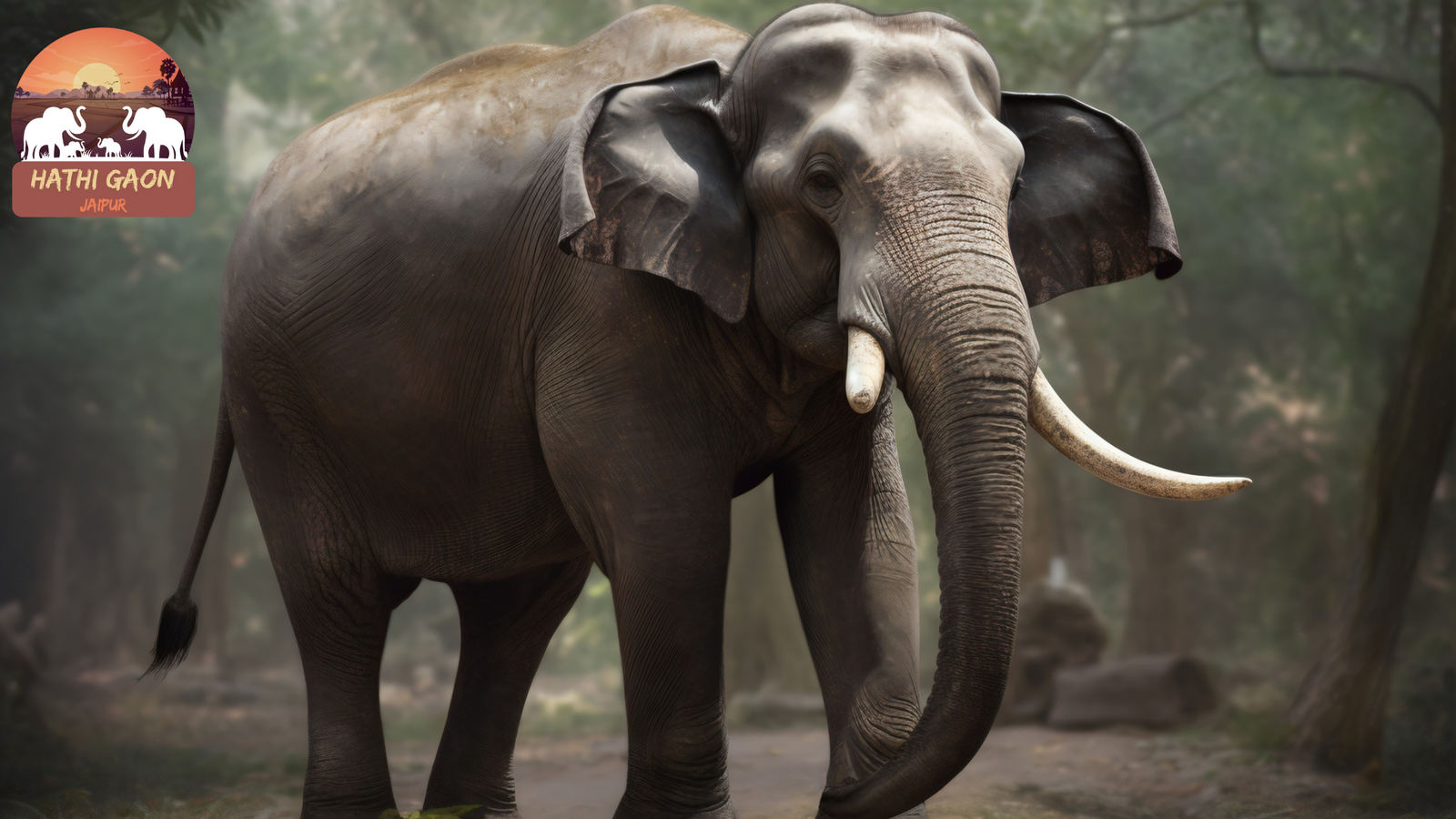
In 2026, the global travel industry has shifted its focus from “leaving no trace” to “leaving a legacy.” While most sanctuaries focus on preservation, Hathi Gaon has pioneered the art of active restoration. While travelers initially come to see the giants, the true magic of the village lies in the “Elephant’s Orchard”—a massive, accidental botanical garden born from the digestive power of the herd. Through regenerative tourism in Rajasthan, Hathi Gaon has proven that elephants are not just residents; they are the world’s most sophisticated forest engineers.
Furthermore, this isn’t just about planting trees; it’s about a “Circular Forest Economy.” As the elephants forage, they act as the primary movers of biodiversity. This blog explores how Hathi Gaon’s “Elephant-Endorsed” forest products are creating a new global model for luxury conservation where every jar of honey and bottle of oil supports a growing forest.
-
Mega-Herbivore Engineering: The Seed-Cycle
To understand the success of regenerative tourism in Rajasthan, we must first look at the “Seed-Cycle.” Elephants are known as “Keynote Dispersers” because they move seeds in volumes that no other animal can match.
1.1 The Digestive Catalyst
Initially, the Hathi Gaon site was a barren, industrial void—a sand quarry stripped of life. However, as the elephants were introduced, the land began to heal from the inside out. Specifically, many indigenous Rajasthan trees, like the Pilu (Salvadora oleoides) and Ber (Ziziphus mauritiana), have seeds with a hard outer coating. Consequently, these seeds require the acidic environment of an elephant’s gut to break down their dormancy. As a result, the seeds that pass through the elephant have a 70% higher germination rate than those that simply fall to the ground.
1.2 The Fertilizer Network
Moreover, the elephant provides more than just transport; it provides the “Starter Pack” for life. Specifically, every seed is deposited within a nutrient-rich “Dung-Sphere” that provides instant fertilization and moisture in the dry desert soil. Therefore, the forest you walk through today is not a human-made park; it is a self-assembling ecosystem directed by the giants.
-
The Micro-Biome of the Forest Floor: Fungal Connections
In addition to the visible trees, the elephants have revitalized the invisible world beneath the soil.
2.1 Mycorrhizal Symbiosis
Initially, the quarry soil was “dead”—lacking the fungal networks necessary for forest health. Specifically, the weight of the elephants as they walk helps to press organic matter into the soil, creating pockets of anaerobic activity. Consequently, this has encouraged the growth of mycorrhizal fungi. As a result, these fungi connect the roots of the “Elephant-Planted” trees, allowing them to share nutrients and water across the valley.
2.2 Soil Carbon Sequestration
Furthermore, this healthy soil acts as a massive carbon sink. Specifically, in 2026, Hathi Gaon is being studied as a model for “Elephant-Powered Carbon Sequestration.” Therefore, by simply living their lives, the elephants are helping to mitigate the regional climate impact of Jaipur’s urban expansion. This is the “hidden” value of regenerative tourism in Rajasthan.
-
The “Elephant-Graded” Harvest: Luxury from the Wild
In 2026, Hathi Gaon launched its signature line of “Forest-First” products. These are not factory-made goods; they are the surplus of a thriving ecosystem.
3.1 High-Altitude Forest Honey
Specifically, the rewilded areas have seen a massive return of the Apis dorsata (giant honey bee). Initially, there were no flowers to support them. Today, the “Elephant’s Orchard” provides a year-round bloom. Consequently, the village produces a rare, dark honey sourced from the nectar of trees planted by the herd. Moreover, this honey is harvested using traditional “Smoke-Free” methods that do not harm the bees, ensuring the circularity of the system remains intact.
3.2 The Tribal Alchemists
In addition, the processing of these goods is managed by local tribal communities who have lived alongside elephants for centuries. Specifically, they use traditional cold-press techniques to extract oils from the Neem and Karanj seeds gathered from the forest floor. As a result, the products retain their full medicinal potency. Therefore, when you use Hathi Gaon forest oil, you are benefiting from a chemical-free alchemy that is thousands of years old.
-
The Economics of Rewilding: Beyond the Ticket
Furthermore, the success of regenerative tourism in Rajasthan is found in its financial resilience.
4.1 The “Corridor Fund.”
Initially, sanctuaries relied entirely on entry fees. Conversely, Hathi Gaon’s “Orchard Products” now account for 30% of the village’s total revenue. Specifically, every rupee earned from the sale of honey or oils is reinvested into the “Corridor Fund.” Consequently, this fund is used to purchase land “links” between Hathi Gaon and the Nahargarh forest, creating a safe passage for all wildlife.
4.2 Global Luxury Marketplace
Moreover, in 2026, Hathi Gaon has partnered with ethical luxury retailers in Paris and London. Specifically, these brands value the “Traceability” of the products. As a result, a consumer in Europe can scan a bottle of forest oil and see the exact GPS coordinates of the rewilded grove where the seeds were collected. This transparency is the gold standard for modern regenerative tourism in Rajasthan.
-
The “Slow-Food” Forest Walk: Immersive Education
For the traveler, the most profound part of the experience is the “Forage and Feast” tour.
5.1 Biological Literacy
Initially, guests might see the forest as a wall of green. Specifically, the tour naturalist teaches “Biological Literacy”—the ability to read the landscape. As a result, you learn to identify the “Nursing Trees” that protect smaller saplings. Moreover, you see the “Elephant-Pruned” hedges that have grown thicker and more resilient because of the animals’ browsing.
5.2 The Culinary Reward
Finally, the tour ends with a tasting session in the village’s “Zero-Waste Kitchen.” Specifically, you sample dishes made from the very fruits and herbs you identified in the forest. Therefore, the experience completes the loop from the elephant’s path to the human palate, making the conservation story something you can physically digest.
-
Logistics: Tasting the Forest in 2026
- The Best Time for Foraging: February to early April. Specifically, this is the peak blooming season for the Ber and Pilu orchards.
- Product Availability: Batches are small and seasonal. Moreover, we recommend pre-ordering your “Sanctuary Box” when you book your tour to ensure availability.
- Booking: Select the “Rewilding Economy Tour” on the portal. Specifically, ensure your tour is led by a “Certified Bio-Naturalist” for the most accurate ecological data.
-
FAQ: Regenerative Tourism at Hathi Gaon
- Does the honey taste different?
A. Yes. Specifically, it has a complex, multi-floral profile with notes of desert smoke and wild herbs. - Is the forest safe to walk in?
A. Yes. Initially, we ensure all foraging walks take place in “Buffer Zones” where elephants are not currently active. - How do you know which trees the elephants planted?
A. We track the “Pioneer Species” that appear in areas where no human planting has occurred. - Are the products organic?
A. 100%. Specifically, we use no pesticides or synthetic fertilizers in the entire sanctuary. - Can I buy these products abroad?
A. Yes. As a result of our 2026 global partnerships, we ship to 15 countries. - Does harvesting seeds hurt the forest?
A. No. Specifically, we only harvest 10% of the fallen seeds, leaving 90% for natural regeneration. - What is a “Keynote Disperser”?
A. An animal that plays a unique and vital role in spreading seeds across an ecosystem. - How much carbon do the elephants sequester?
A. Estimates for 2026 suggest the Hathi Gaon forest offsets approximately 500 tons of CO2 annually. - Who makes the products?
A. Local mahout families and tribal artisans from the Amer region. - Is the forest open to everyone?
A. Only through guided tours to protect the delicate soil micro-biome. - What is a “Seed Bomb”?
A. A clay-wrapped ball of seeds and compost that visitors can throw into degraded areas. - Can I meet the bees?
A. We offer “Bee-Safe” observations from a distance. - Is the honey vegan?
A. It is “Ethical Vegetarian,” as it is an animal byproduct, but harvested without harm. - What is “Pilu” fruit?
A. A traditional desert fruit known for its high mineral content and mustard-like tang. - Why is this called “Regenerative”?
A. Because it doesn’t just “sustain” the land; it actively “rebuilds” its health.
Conclusion: The Sweet Taste of Survival
Ultimately, the “Elephant’s Orchard” proves that conservation can be a thriving, self-sustaining economy. Regenerative tourism in Rajasthan has transformed Hathi Gaon from a place of refuge into a place of production. By following the path of the giant, we have discovered a way to feed the forest, the village, and the world.
Consequently, when you buy a jar of Hathi Gaon honey, you aren’t just buying a sweetener. Therefore, you are buying into a future where humans and giants grow together in a shared, flourishing pantry.
A Note on Circularity
Disclaimer: All forest products are harvested under a “Wildlife-First” quota. Furthermore, if the seasonal yield is required for the herd’s nutrition, commercial harvesting is suspended immediately. Specifically, this ensures that the rewilding economy remains a tool for conservation, not a driver of exploitation.
Resource Priority: This guide promotes the “Circular Forest Economy” of regenerative tourism in Rajasthan. The harvest of forest products is a secondary benefit of habitat restoration. Specifically, the elephants’ natural foraging rights are absolute. Consequently, if the seasonal yield is required for the herd’s nutrition, commercial harvesting is suspended immediately.




No comment