What Does "Ethical Elephant Tourism" Actually Look Like in India?

What Does “Ethical Elephant Tourism” Actually Look Like in India?

India, with its deep historical and cultural reverence for elephants, is home to a significant population of these majestic giants. Unfortunately, this reverence has often translated into their use in the tourism industry—for temple ceremonies, shows, and, most visibly, for rides at historic sites like Amber Fort in Jaipur. However, global awareness about animal welfare has dramatically shifted the travel landscape. Today, the conscious traveler seeks "Ethical Elephant Tourism," a phrase frequently used but often poorly understood. The term is sometimes used by businesses for "greenwashing"—marketing cruelty as care. ... Read More
Monsoon Playbook: Heat, Flood & Drought Preparedness for Elephant Welfare in Rajasthan

Monsoon Playbook: Heat, Flood & Drought Preparedness for Elephant Welfare in Rajasthan

The monsoon season in Rajasthan brings with it a unique set of climatic challenges and opportunities—particularly for the welfare of elephants. In a landscape known for its arid heat, sudden downpours, and occasional drought spells, the welfare of captive and semi-captive elephants demands proactive and seasonally adapted protocols. At our facility in Rajasthan, we combine seasonal operations with climate-adaptation protocols to ensure our elephants thrive—not merely survive—through heat waves, monsoon flooding, and dry spells. Why is this so important? Elephants are large animals with high metabolic heat production; in a hot, semi-arid climate like Rajasthan, heat stress is a real threat. At the same time, waterlogged grounds from heavy rains, inadequate drainage, or flooded enclosures can lead to foot & hoof problems, accidents, skin issues and behavioural stress. Conversely, during drought or low-rain periods, water scarcity adds another layer of risk—limited bathing/wallowing opportunities, insufficient forage hydration, and increased competition for resources. By implementing a robust “Monsoon Playbook”, we ensure elephants enjoy high standards of welfare year-round and our visitors get the best, sustainable, ethical experience. ... Read More
Amber Fort (Amer Fort) & Hathi Gaon, Jaipur — What Changed in 2025 & What It Means for Visitors

Amber Fort (Amer Fort) & Hathi Gaon, Jaipur — What Changed in 2025 & What It Means for Visitors

For decades, elephant rides up to Amber Fort have been a signature image of Jaipur tourism. At the same time, Hathi Gaon (Elephant Village) near the fort has offered a more behind-the-scenes look at these majestic animals and their mahouts. However, growing concerns over animal welfare, regulatory scrutiny and shifting traveler sensibilities mean 2025 brings key changes. For ethical travellers, tour operators, and local businesses (shops, restaurants, guides) in Jaipur, being aware of these changes helps avoid negative experiences, support responsible tourism, and contribute positively to the destination. ... Read More
Elephant Rescue Stories: From Abuse to Care at Hathi Gaon & Beyond

Elephant Rescue Stories: From Abuse to Care at Hathi Gaon & Beyond

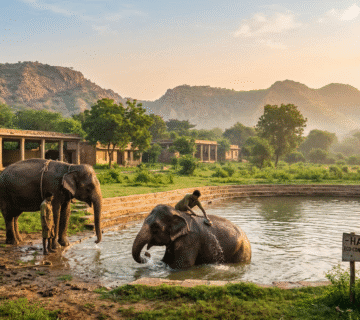
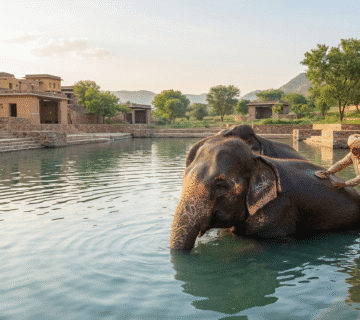
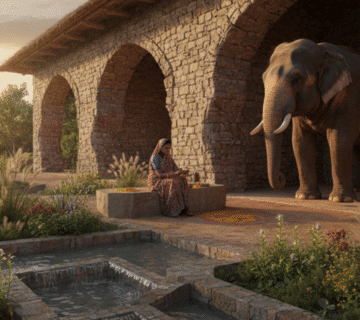
Hathi Gaon (literally “Elephant Village”) was created to house around 100 elephants and their mahout families near Amber Fort. Designed by RMA Architects, it’s a clustered settlement with courtyards and rain-harvesting water bodies. Think of it as a residential community and service hub for working elephants—not a rescue center. In parallel, elephant rides to Amber Fort and some “tourist activities” in/around Hathi Gaon have drawn sustained criticism from animal-welfare groups, with periodic government and court actions (including removing medically unfit elephants from rides and policy wrangles over pricing and operations). The bottom line: welfare standards and legality are evolving, and travelers should choose no-ride options ... Read More
What Happens to Ticket Money at Elephant Park & Elephant Village: Transparent Costs & Conservation Finance (India)

What Happens to Ticket Money at Elephant Park & Elephant Village: Transparent Costs & Conservation Finance (India)

If you’ve ever wondered, “Where does my ticket money go?”, this guide lays it out—line by line. Running an ethical elephant park or village in India is expensive, specialized, and (when done right) deeply impactful. Below you’ll find a clear breakdown of revenue, actual cost drivers for elephant care, how funds channel into rescue, rehabilitation, and forest conservation, and the standards you can use to evaluate whether a venue is truly ethical. We also include a simple template for monthly transparency reports and a gentle nudge to book directly (so more of your rupee funds the elephants, not middlemen). ... Read More
Elephant Enrichment in Jaipur: Puzzle Feeders, Scent Trails & Supporting Mental Health at Ethical Sanctuaries

Elephant Enrichment in Jaipur: Puzzle Feeders, Scent Trails & Supporting Mental Health at Ethical Sanctuaries

Jaipur’s most responsible elephant sanctuaries center their work on enrichment—daily activities that stimulate an elephant’s mind and body—alongside positive-reinforcement care, protected contact, and visitor education. In this 1,500+ word guide, you’ll learn what enrichment looks like (from puzzle feeders to scent trails and target training), how it supports mental health, and exactly what visitors should look for when choosing an ethical experience in Jaipur or elsewhere in India. There’s also a practical checklist, a robust FAQ, and a clear booking call-to-action so you can plan a humane, memorable visit. ... Read More