Photography Ethics at Hathi Gaon: Capturing Moments Without Disturbance

Photography Ethics at Hathi Gaon: Capturing Moments Without Disturbance

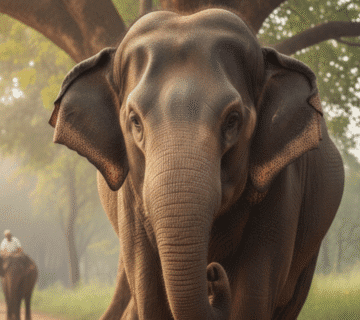
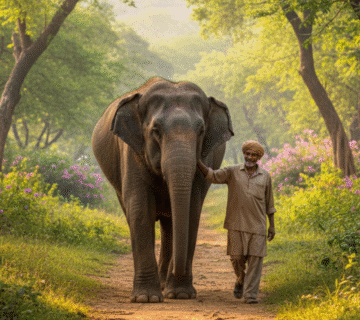
Hathi Gaon—on the outskirts of Jaipur—draws photographers for its warm light, desert hues, and the lived rhythm of elephant–mahout life. But the same elements that make it visually compelling also demand care: elephants are sentient individuals, mahouts are working professionals, and the village is a real community—not a film set. This guide distills low-impact, ethical fieldcraft so you can create meaningful images without crossing lines. You’ll find practical steps (permits, shot planning, camera setups), welfare-first principles (distance, stress cues, activity timing), people-first practices (consent, compensation, credits), and publishing ethics (context, captions, no-misrepresentation). Whether you shoot mobile, mirrorless, or medium format, the rules of respect are the same: take nothing but photos, leave nothing but goodwill. ... Read More
Elephant Natural Habitat Restoration in India: Case Studies Beyond Jaipur

Elephant Natural Habitat Restoration in India: Case Studies Beyond Jaipur

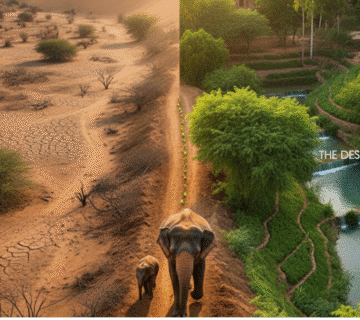
India’s Asian elephant (Elephas maximus) needs more than just “forests.” It depends on a living mosaic—moist and dry forests, riverine belts, and open grasslands—stitched together by wildlife corridors that let herds move seasonally for food and water. Restoration is therefore not just planting trees; it’s reconnecting broken landscapes, managing grasslands, removing invasive weeds, making roads and railways permeable, and working with communities on coexistence. The country now has 33 notified Elephant Reserves across 14 states, a backbone that guides landscape-level planning and restoration. ... Read More
Elephant Sanctuary vs Safari vs Park: Choosing the Right Experience in India

Elephant Sanctuary vs Safari vs Park: Choosing the Right Experience in India

Planning an elephant experience in India? You’ll see a maze of offers: elephant rides, “sanctuaries,” “elephant parks,” and wildlife safaris. Each promises memories, but they’re not all equal—especially for elephant welfare. This guide breaks down the differences, the ethics, and what to expect so you can choose an experience that’s unforgettable and responsible. ... Read More
Jaipur’s Hill Forts & Elephant Sanctuary: Blending Heritage, Asian Elephants & Ethical Wildlife Tourism in India

Jaipur’s Hill Forts & Elephant Sanctuary: Blending Heritage, Asian Elephants & Ethical Wildlife Tourism in India

Jaipur isn’t just a pink-painted city of palaces—it’s a living canvas where Rajput hill forts gaze across the Aravallis and age-old routes still hum with stories. Today, those stories are intertwined with a new chapter: ethical, conservation-minded experiences with Asian elephants near Amer (Amber) Fort—especially around Hathi Gaon (Elephant Village) and carefully vetted sanctuaries. This long-form guide explores the forts’ history and architecture, what “ethical” tourism with elephants should look like, how to visit responsibly, and how your choices can support better welfare and habitat protection. Quick note on terminology: India’s elephants are Asian elephants (Elephas maximus)—not to be confused with “African forest elephants.” In Jaipur you’ll meet captive, human-dependent elephants who live with mahout families; their natural cousins thrive in India’s wild forests and corridors across states like Karnataka, Kerala, Assam, and Odisha. ... Read More