Season-by-Season Jaipur: When to Visit Hathi Gaon for the Best (and Most Ethical) Wildlife Interaction

Season-by-Season Jaipur: When to Visit Hathi Gaon for the Best (and Most Ethical) Wildlife Interaction

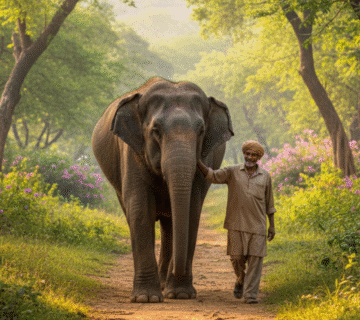
Set near Amer/Amber on NH-248, Hathi Gaon (Elephant Village) is a government-created settlement that houses elephants and their mahouts (handlers) close to Jaipur’s heritage zone. It covers ~30.5 hectares and shifted under the Forest Department in 2017, signposting its welfare orientation. In Jaipur, weather swings are sharp: scorching late spring/summer, humid monsoon, and pleasantly cool winters. These swings influence: • Elephant comfort and behavior (heat load, hydration, bathing frequency, shade seeking). • Your experience (visibility, dust, glare, rain interruptions). • Visitor flow (crowd levels, pricing, and guide availability). Authoritative climate references show Jaipur’s hottest months are April–June (max frequently 37–41 °C; can spike higher), monsoon peaks July–September, and coolest months December–January. Research on Asian elephants underscores their heat sensitivity—they seek shade, bathe, and flap ears to dissipate heat—and that thermal stress affects welfare and activity patterns. ... Read More
Season-by-Season Jaipur & Elephant Safari Guide: When to Visit Hathi Gaon for the Best Elephant Experiences

Season-by-Season Jaipur & Elephant Safari Guide: When to Visit Hathi Gaon for the Best Elephant Experiences

Jaipur, the “Pink City,” hosts Rajasthan’s famed elephant community clustered around Amer (Amber) Fort and nearby Hathi Gaon (Elephant Village). While elephant rides have long been marketed in the region, there’s rising awareness and campaigning for welfare-centric tourism, urging visitors to observe and support elephants without riding. You’ll find a mix of viewpoints, from advocacy groups calling for an end to rides to local operators and mahout families whose livelihoods historically depended on them. ... Read More