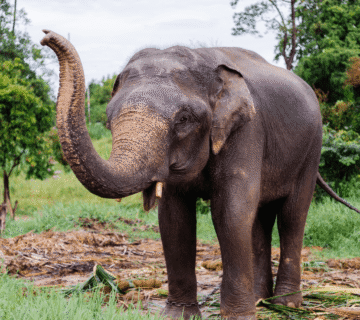
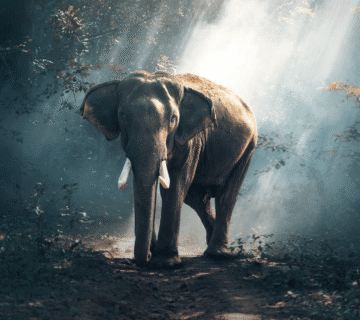
Adult Asian elephant at Hathi Gaon Jaipur lifting its trunk in a natural sanctuary setting with lush green trees.

Hathi Gaon Photography Guide

"For decades, the image of an elephant ascending the ramparts of Amer Fort was the defining postcard of Rajasthan. But travel is changing. Today, more visitors are trading the brief, crowded fort ride for a deeper, more personal connection at Hathi Gaon (Elephant Village). Nestled at the foot of the Aravalli hills, Hathi Gaon is a 30.5-hectare sanctuary where stories of compassion and transformation unfold every day. Created as a rehabilitation zone for elephants and their mahouts, it is a world-class architectural and ecological marvel. For the lens-based storyteller, Hathi Gaon is a rare paradise. It offers the chance to capture authentic moments—from the joyful splash of a morning bath in rainwater-fed ponds to the intimate bond between a mahout and their charge. Whether you are hunting for the perfect 'golden hour' silhouette or a candid portrait of these gentle giants, this guide will show you how to frame the majesty of Jaipur’s elephants with respect and creativity." Key Highlights Included: The Ethical Shift: Moving from traditional rides to meaningful care and conservation. Architectural Beauty: A village designed by world-renowned architects to mimic natural habitation. Optimal Timing: Highlighting early mornings (around 8 AM) as the prime window for bathing rituals and soft light. ... Read More
How to Plan Your First Visit / Booking / Engagement — What to Know

How to Plan Your First Visit / Booking / Engagement — What to Know

Planning your first visit, booking, or engagement with any service provider—whether it's a salon, clinic, wellness center, travel agency, studio, or consulting service—should feel smooth, stress-free, and exciting. Yet many people approach their first appointment with a mix of uncertainty and hesitation simply because they don’t know what to expect. This guide breaks down everything you need to know to plan your first booking confidently. You’ll learn what to prepare, how to choose the right provider, how to make the most of your first visit, and what steps ensure the best possible experience. ... Read More
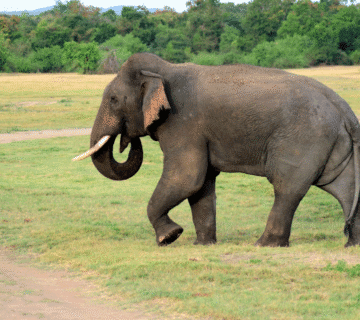
From Quarry Scars to Living Habitat: Landscape Restoration Metrics at Hathi Gaon

From Quarry Scars to Living Habitat: Landscape Restoration Metrics at Hathi Gaon

Just a few kilometers from the Pink City of Jaipur, lies a remarkable example of how human ingenuity and ecological sensitivity can transform devastation into life. Once a barren expanse of stone quarries, Hathi Gaon (meaning Elephant Village) stood as a symbol of extraction and ecological neglect. But today, it has become a thriving rewilded habitat, blending architecture, ecology, and community in one of India’s most inspiring restoration stories. Hathi Gaon isn’t just about landscaping—it’s about restoring life systems. It’s a case study in how degraded land can be turned into functional ecosystems that support humans, animals, and nature alike. ... Read More
Season-by-Season Jaipur: When to Visit Hathi Gaon for the Best (and Most Ethical) Wildlife Interaction

Season-by-Season Jaipur: When to Visit Hathi Gaon for the Best (and Most Ethical) Wildlife Interaction

Set near Amer/Amber on NH-248, Hathi Gaon (Elephant Village) is a government-created settlement that houses elephants and their mahouts (handlers) close to Jaipur’s heritage zone. It covers ~30.5 hectares and shifted under the Forest Department in 2017, signposting its welfare orientation. In Jaipur, weather swings are sharp: scorching late spring/summer, humid monsoon, and pleasantly cool winters. These swings influence: • Elephant comfort and behavior (heat load, hydration, bathing frequency, shade seeking). • Your experience (visibility, dust, glare, rain interruptions). • Visitor flow (crowd levels, pricing, and guide availability). Authoritative climate references show Jaipur’s hottest months are April–June (max frequently 37–41 °C; can spike higher), monsoon peaks July–September, and coolest months December–January. Research on Asian elephants underscores their heat sensitivity—they seek shade, bathe, and flap ears to dissipate heat—and that thermal stress affects welfare and activity patterns. ... Read More