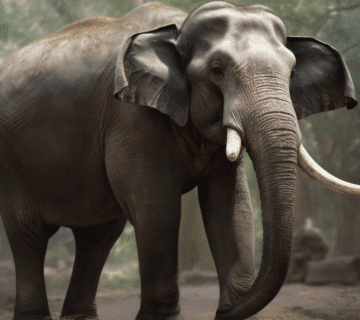
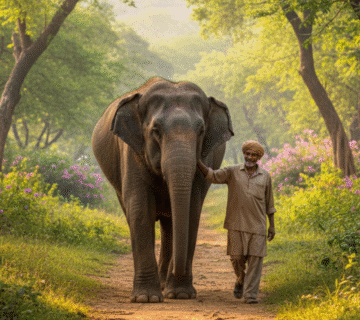
Adult Asian elephant at Hathi Gaon Jaipur lifting its trunk in a natural sanctuary setting with lush green trees.

Hathi Gaon Photography Guide

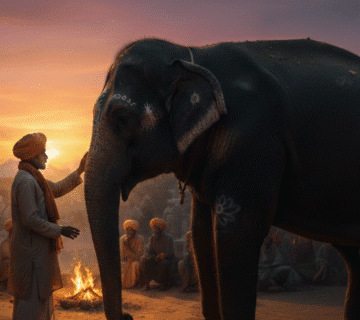
"For decades, the image of an elephant ascending the ramparts of Amer Fort was the defining postcard of Rajasthan. But travel is changing. Today, more visitors are trading the brief, crowded fort ride for a deeper, more personal connection at Hathi Gaon (Elephant Village). Nestled at the foot of the Aravalli hills, Hathi Gaon is a 30.5-hectare sanctuary where stories of compassion and transformation unfold every day. Created as a rehabilitation zone for elephants and their mahouts, it is a world-class architectural and ecological marvel. For the lens-based storyteller, Hathi Gaon is a rare paradise. It offers the chance to capture authentic moments—from the joyful splash of a morning bath in rainwater-fed ponds to the intimate bond between a mahout and their charge. Whether you are hunting for the perfect 'golden hour' silhouette or a candid portrait of these gentle giants, this guide will show you how to frame the majesty of Jaipur’s elephants with respect and creativity." Key Highlights Included: The Ethical Shift: Moving from traditional rides to meaningful care and conservation. Architectural Beauty: A village designed by world-renowned architects to mimic natural habitation. Optimal Timing: Highlighting early mornings (around 8 AM) as the prime window for bathing rituals and soft light. ... Read More
What Does "Ethical Elephant Tourism" Actually Look Like in India?

What Does “Ethical Elephant Tourism” Actually Look Like in India?

India, with its deep historical and cultural reverence for elephants, is home to a significant population of these majestic giants. Unfortunately, this reverence has often translated into their use in the tourism industry—for temple ceremonies, shows, and, most visibly, for rides at historic sites like Amber Fort in Jaipur. However, global awareness about animal welfare has dramatically shifted the travel landscape. Today, the conscious traveler seeks "Ethical Elephant Tourism," a phrase frequently used but often poorly understood. The term is sometimes used by businesses for "greenwashing"—marketing cruelty as care. ... Read More
How to Plan Your First Visit / Booking / Engagement — What to Know

How to Plan Your First Visit / Booking / Engagement — What to Know

Planning your first visit, booking, or engagement with any service provider—whether it's a salon, clinic, wellness center, travel agency, studio, or consulting service—should feel smooth, stress-free, and exciting. Yet many people approach their first appointment with a mix of uncertainty and hesitation simply because they don’t know what to expect. This guide breaks down everything you need to know to plan your first booking confidently. You’ll learn what to prepare, how to choose the right provider, how to make the most of your first visit, and what steps ensure the best possible experience. ... Read More
Monsoon Playbook: Heat, Flood & Drought Preparedness for Elephant Welfare in Rajasthan

Monsoon Playbook: Heat, Flood & Drought Preparedness for Elephant Welfare in Rajasthan

The monsoon season in Rajasthan brings with it a unique set of climatic challenges and opportunities—particularly for the welfare of elephants. In a landscape known for its arid heat, sudden downpours, and occasional drought spells, the welfare of captive and semi-captive elephants demands proactive and seasonally adapted protocols. At our facility in Rajasthan, we combine seasonal operations with climate-adaptation protocols to ensure our elephants thrive—not merely survive—through heat waves, monsoon flooding, and dry spells. Why is this so important? Elephants are large animals with high metabolic heat production; in a hot, semi-arid climate like Rajasthan, heat stress is a real threat. At the same time, waterlogged grounds from heavy rains, inadequate drainage, or flooded enclosures can lead to foot & hoof problems, accidents, skin issues and behavioural stress. Conversely, during drought or low-rain periods, water scarcity adds another layer of risk—limited bathing/wallowing opportunities, insufficient forage hydration, and increased competition for resources. By implementing a robust “Monsoon Playbook”, we ensure elephants enjoy high standards of welfare year-round and our visitors get the best, sustainable, ethical experience. ... Read More
Travel Tips for Ethical Elephant Tourism: Questions to Ask Before You Visit

Travel Tips for Ethical Elephant Tourism: Questions to Ask Before You Visit

Elephants are among the world’s most intelligent, emotionally complex animals. Unfortunately, the rise of wildlife tourism created demand for close encounters—often at the cost of the elephants’ health and dignity. From chaining and harsh training methods to overwork, unnatural performances, and poor diets, many operations still prioritize photos and profits over welfare. The good news: you can choose better. Ethical elephant experiences do exist—places that retire working elephants, provide free-movement habitats, ban riding and tricks, follow science-based enrichment, and employ qualified veterinarians and mahouts trained in positive reinforcement. This guide gives you a step-by-step checklist, questions to ask before you book, red flags to avoid, and visitor behaviors that truly help rather than harm. ... Read More