From Hardship to Hope: A Rescue Story That Changed Lives – Inspired by Hathigaon, Jaipur

From Hardship to Hope: A Rescue Story That Changed Lives – Inspired by Hathigaon, Jaipur

Nestled on the outskirts of Jaipur, Hathigaon—known as the “Elephant Village”—is a sanctuary where stories of pain, struggle, compassion, and transformation unfold every day. Created as a rehabilitation zone for elephants who once endured difficult lives of labor and exploitation, Hathigaon stands today as a symbol of harmony between humans, animals, and nature. Beyond its scenic beauty and architectural brilliance lies something even more inspiring: remarkable stories of rescue and recovery. Stories where elephants who once suffered hardship now live with dignity, comfort, and hope. This is one such story—a journey from brokenness to healing that continues to inspire travelers, conservationists, and animal lovers from around the world. ... Read More
Monsoon Playbook: Heat, Flood & Drought Preparedness for Elephant Welfare in Rajasthan

Monsoon Playbook: Heat, Flood & Drought Preparedness for Elephant Welfare in Rajasthan

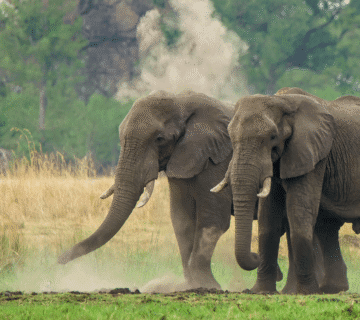
The monsoon season in Rajasthan brings with it a unique set of climatic challenges and opportunities—particularly for the welfare of elephants. In a landscape known for its arid heat, sudden downpours, and occasional drought spells, the welfare of captive and semi-captive elephants demands proactive and seasonally adapted protocols. At our facility in Rajasthan, we combine seasonal operations with climate-adaptation protocols to ensure our elephants thrive—not merely survive—through heat waves, monsoon flooding, and dry spells. Why is this so important? Elephants are large animals with high metabolic heat production; in a hot, semi-arid climate like Rajasthan, heat stress is a real threat. At the same time, waterlogged grounds from heavy rains, inadequate drainage, or flooded enclosures can lead to foot & hoof problems, accidents, skin issues and behavioural stress. Conversely, during drought or low-rain periods, water scarcity adds another layer of risk—limited bathing/wallowing opportunities, insufficient forage hydration, and increased competition for resources. By implementing a robust “Monsoon Playbook”, we ensure elephants enjoy high standards of welfare year-round and our visitors get the best, sustainable, ethical experience. ... Read More
Elephant Rescue Stories: From Abuse to Care at Hathi Gaon & Beyond

Elephant Rescue Stories: From Abuse to Care at Hathi Gaon & Beyond

Hathi Gaon (literally “Elephant Village”) was created to house around 100 elephants and their mahout families near Amber Fort. Designed by RMA Architects, it’s a clustered settlement with courtyards and rain-harvesting water bodies. Think of it as a residential community and service hub for working elephants—not a rescue center. In parallel, elephant rides to Amber Fort and some “tourist activities” in/around Hathi Gaon have drawn sustained criticism from animal-welfare groups, with periodic government and court actions (including removing medically unfit elephants from rides and policy wrangles over pricing and operations). The bottom line: welfare standards and legality are evolving, and travelers should choose no-ride options ... Read More
Elephant Natural Habitat Restoration in India: Case Studies Beyond Jaipur

Elephant Natural Habitat Restoration in India: Case Studies Beyond Jaipur

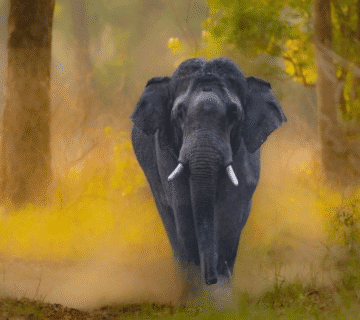
India’s Asian elephant (Elephas maximus) needs more than just “forests.” It depends on a living mosaic—moist and dry forests, riverine belts, and open grasslands—stitched together by wildlife corridors that let herds move seasonally for food and water. Restoration is therefore not just planting trees; it’s reconnecting broken landscapes, managing grasslands, removing invasive weeds, making roads and railways permeable, and working with communities on coexistence. The country now has 33 notified Elephant Reserves across 14 states, a backbone that guides landscape-level planning and restoration. ... Read More
Hathi Gaon- Magical Expereince

Elephants in India: Myths, Culture & Conservation in Rajasthan

A deep-dive into the sacred symbolism of elephants in Indian mythology (Ganesha, Airāvata), their role in festivals and folklore, and how modern conservation and ethical tourism in Rajasthan—especially around Jaipur—are reshaping traditions to protect elephant welfare. Includes responsible-travel tips, FAQs, and a clear call-to-action to book verified, ethical experiences. In India, elephants aren’t just animals—they’re living heritage. They stride through scriptures, temple art, and everyday rituals as symbols of wisdom, strength, and good fortune. Rajasthan, India’s most storied royal state, has long showcased elephants in pageantry and tourism. Today, the conversation is changing: travellers want authentic culture that’s also kind to animals. This guide gives you both—context and practical ways to experience elephants in Rajasthan without compromising welfare ... Read More
Forest Elephants of India: Their Role, Threats & How Sanctuaries Like Hathi Gaon Help

Forest Elephants of India: Their Role, Threats & How Sanctuaries Like Hathi Gaon Help

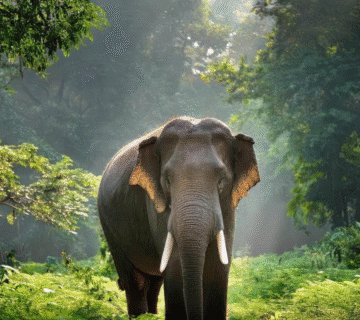
When readers hear “forest elephant,” they often think of African forest elephants (Loxodonta cyclotis)—a species distinct from the African savannah elephant. India, however, is home to Asian elephants (Elephas maximus), specifically the Indian subspecies (Elephas maximus indicus). So what do we mean by “forest elephants of India”? We’re referring to forest-dwelling Asian elephants—the same Indian elephant, but populations that live mainly in tropical and subtropical forests (evergreen, semi-evergreen, moist/dry deciduous), grasslands, and mosaic habitats that include forest edges, riparian belts, and plantations. In short: not a separate species, but the habitat-using populations of India’s Asian elephant. ... Read More