Elephant Enrichment in Jaipur: Puzzle Feeders, Scent Trails & Choosing Truly Ethical Experiences

Elephant Enrichment in Jaipur: Puzzle Feeders, Scent Trails & Choosing Truly Ethical Experiences

Elephants are engineers of their own joy when we let them be: investigating scents, foraging for hidden treats, splashing in water, and solving small challenges that keep their minds and bodies active. In and around Jaipur, India, a handful of conservation-forward facilities are moving beyond passive display toward evidence-based enrichment and welfare-first interaction. This long-form guide explains how quality sanctuaries support elephant well-being through daily enrichment (think puzzle feeders, scent trails, browse buffets, and positive reinforcement), what visitors should look for when booking an experience, and how you can contribute to ethical elephant tourism. We’ll also include an SEO-ready block (title, meta description, tags, schema), a detailed FAQ, and a soft call-to-action to book your visit responsibly through our platform. ... Read More
Jaipur’s Hill Forts & Elephant Sanctuary: Blending Heritage, Asian Elephants & Ethical Wildlife Tourism in India

Jaipur’s Hill Forts & Elephant Sanctuary: Blending Heritage, Asian Elephants & Ethical Wildlife Tourism in India

Jaipur isn’t just a pink-painted city of palaces—it’s a living canvas where Rajput hill forts gaze across the Aravallis and age-old routes still hum with stories. Today, those stories are intertwined with a new chapter: ethical, conservation-minded experiences with Asian elephants near Amer (Amber) Fort—especially around Hathi Gaon (Elephant Village) and carefully vetted sanctuaries. This long-form guide explores the forts’ history and architecture, what “ethical” tourism with elephants should look like, how to visit responsibly, and how your choices can support better welfare and habitat protection. Quick note on terminology: India’s elephants are Asian elephants (Elephas maximus)—not to be confused with “African forest elephants.” In Jaipur you’ll meet captive, human-dependent elephants who live with mahout families; their natural cousins thrive in India’s wild forests and corridors across states like Karnataka, Kerala, Assam, and Odisha. ... Read More
Elephant Enrichment in Jaipur: Puzzle Feeders, Scent Trails & Supporting Mental Health at Ethical Sanctuaries

Elephant Enrichment in Jaipur: Puzzle Feeders, Scent Trails & Supporting Mental Health at Ethical Sanctuaries

Jaipur’s most responsible elephant sanctuaries center their work on enrichment—daily activities that stimulate an elephant’s mind and body—alongside positive-reinforcement care, protected contact, and visitor education. In this 1,500+ word guide, you’ll learn what enrichment looks like (from puzzle feeders to scent trails and target training), how it supports mental health, and exactly what visitors should look for when choosing an ethical experience in Jaipur or elsewhere in India. There’s also a practical checklist, a robust FAQ, and a clear booking call-to-action so you can plan a humane, memorable visit. ... Read More
Hathi Gaon for Families: Accessibility, Elephant Walks, Safari & Safety Tips

Hathi Gaon for Families: Accessibility, Elephant Walks, Safari & Safety Tips

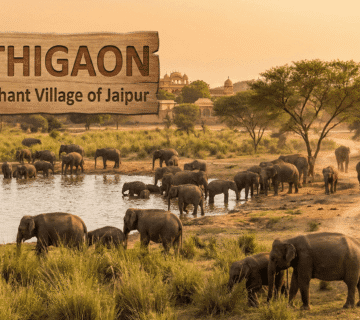
Visiting Hathi Gaon Jaipur (Elephant Village) can be a memorable way to introduce children and seniors to India’s gentle giants—if you go with the right expectations and an ethical approach. Originally developed as a housing and community project for elephants and their mahouts (caretakers) near Amer/Amber Fort, Hathi Gaon includes water bodies, shade, and living quarters intended to make life more humane in Rajasthan’s arid climate. That said, elephant tourism in Jaipur has been under the spotlight. Welfare groups and conservation voices caution against activities that stress elephants—especially rides—urging travelers to choose observation-led, low-impact interactions instead. ... Read More
Celebrity Shoots & Ethical Spaces: How to Film in Elephant Village or Elephant Sanctuary Responsibly

Celebrity Shoots & Ethical Spaces: How to Film in Elephant Village or Elephant Sanctuary Responsibly

Elephants are among the most majestic, intelligent, and emotionally complex creatures on Earth. In places like Hathi Gaon (Elephant Village in Jaipur), elephant sanctuaries, or elephant parks, there is growing interest from filmmakers, fashion shoots, brands, and celebrities to shoot amidst these gentle giants. While such shoots can bring attention, funding, and awareness, they also risk exploitation, harm, or misuse if not managed ethically. This blog explores best practices, guidelines, and legal permission processes for filming or photo shoots in elephant villages/sanctuaries—balancing artistic goals with the welfare of elephants and the ethics of wildlife & tourism. It is aimed at production houses, photographers, clients, and also visitors who want responsible media involving elephants. ... Read More
From Quarry to Conservation: How Hathi Gaon Transformed Scarred Land into an Elephant Reserve

From Quarry to Conservation: How Hathi Gaon Transformed Scarred Land into an Elephant Reserve

Elephants have been a part of India’s culture, religion, and history for centuries. From temple rituals to royal processions, these gentle giants have always held a special place in our hearts. But as cities expand and natural habitats shrink, elephants are increasingly caught in a conflict between survival and human development. One of the most inspiring examples of turning this challenge into an opportunity is Hathi Gaon — a unique project near Jaipur, Rajasthan, that transformed barren quarry land into a lush habitat for elephants and a sustainable community for their mahouts (elephant keepers) ... Read More