What Does "Ethical Elephant Tourism" Actually Look Like in India?

What Does “Ethical Elephant Tourism” Actually Look Like in India?

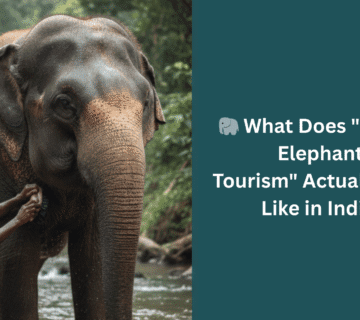
India, with its deep historical and cultural reverence for elephants, is home to a significant population of these majestic giants. Unfortunately, this reverence has often translated into their use in the tourism industry—for temple ceremonies, shows, and, most visibly, for rides at historic sites like Amber Fort in Jaipur. However, global awareness about animal welfare has dramatically shifted the travel landscape. Today, the conscious traveler seeks "Ethical Elephant Tourism," a phrase frequently used but often poorly understood. The term is sometimes used by businesses for "greenwashing"—marketing cruelty as care. ... Read More
Travel Tips for Ethical Elephant Tourism: Questions to Ask Before You Visit

Travel Tips for Ethical Elephant Tourism: Questions to Ask Before You Visit

Elephants are among the world’s most intelligent, emotionally complex animals. Unfortunately, the rise of wildlife tourism created demand for close encounters—often at the cost of the elephants’ health and dignity. From chaining and harsh training methods to overwork, unnatural performances, and poor diets, many operations still prioritize photos and profits over welfare. The good news: you can choose better. Ethical elephant experiences do exist—places that retire working elephants, provide free-movement habitats, ban riding and tricks, follow science-based enrichment, and employ qualified veterinarians and mahouts trained in positive reinforcement. This guide gives you a step-by-step checklist, questions to ask before you book, red flags to avoid, and visitor behaviors that truly help rather than harm. ... Read More
Forest Elephants of India: Their Role, Threats & How Sanctuaries Like Hathi Gaon Help

Forest Elephants of India: Their Role, Threats & How Sanctuaries Like Hathi Gaon Help

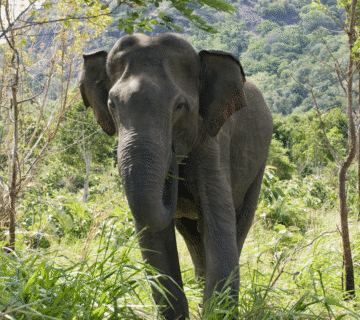
When readers hear “forest elephant,” they often think of African forest elephants (Loxodonta cyclotis)—a species distinct from the African savannah elephant. India, however, is home to Asian elephants (Elephas maximus), specifically the Indian subspecies (Elephas maximus indicus). So what do we mean by “forest elephants of India”? We’re referring to forest-dwelling Asian elephants—the same Indian elephant, but populations that live mainly in tropical and subtropical forests (evergreen, semi-evergreen, moist/dry deciduous), grasslands, and mosaic habitats that include forest edges, riparian belts, and plantations. In short: not a separate species, but the habitat-using populations of India’s Asian elephant. ... Read More
From Quarry to Conservation: How Hathi Gaon Transformed Scarred Land into an Elephant Reserve

From Quarry to Conservation: How Hathi Gaon Transformed Scarred Land into an Elephant Reserve

Elephants have been a part of India’s culture, religion, and history for centuries. From temple rituals to royal processions, these gentle giants have always held a special place in our hearts. But as cities expand and natural habitats shrink, elephants are increasingly caught in a conflict between survival and human development. One of the most inspiring examples of turning this challenge into an opportunity is Hathi Gaon — a unique project near Jaipur, Rajasthan, that transformed barren quarry land into a lush habitat for elephants and a sustainable community for their mahouts (elephant keepers) ... Read More