Ecotourism & Wildlife Conservation in India: How Elephant Villages Can Be Sustainable Models

Ecotourism & Wildlife Conservation in India: How Elephant Villages Can Be Sustainable Models

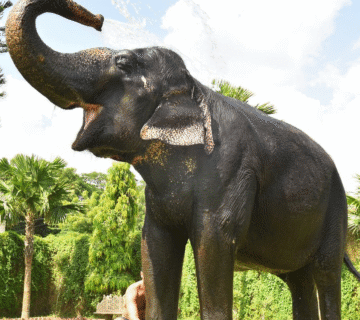
Discover how elephant villages like Hathi Gaon Jaipur balance tourism, animal welfare, and habitat conservation — a true model for sustainable wildlife tourism in India. India is home to over 30,000 Asian elephants, making it one of the most important elephant-bearing nations in the world. Yet, balancing wildlife protection with human livelihoods remains a challenge. Enter Elephant Villages and Sanctuaries like Hathi Gaon (Jaipur) — living examples of how ecotourism and animal welfare can coexist beautifully. ... Read More
Elephant Rescue Stories: From Abuse to Care at Hathi Gaon & Beyond

Elephant Rescue Stories: From Abuse to Care at Hathi Gaon & Beyond

Hathi Gaon (literally “Elephant Village”) was created to house around 100 elephants and their mahout families near Amber Fort. Designed by RMA Architects, it’s a clustered settlement with courtyards and rain-harvesting water bodies. Think of it as a residential community and service hub for working elephants—not a rescue center. In parallel, elephant rides to Amber Fort and some “tourist activities” in/around Hathi Gaon have drawn sustained criticism from animal-welfare groups, with periodic government and court actions (including removing medically unfit elephants from rides and policy wrangles over pricing and operations). The bottom line: welfare standards and legality are evolving, and travelers should choose no-ride options ... Read More
Elephant Natural Habitat Restoration in India: Case Studies Beyond Jaipur

Elephant Natural Habitat Restoration in India: Case Studies Beyond Jaipur

India’s Asian elephant (Elephas maximus) needs more than just “forests.” It depends on a living mosaic—moist and dry forests, riverine belts, and open grasslands—stitched together by wildlife corridors that let herds move seasonally for food and water. Restoration is therefore not just planting trees; it’s reconnecting broken landscapes, managing grasslands, removing invasive weeds, making roads and railways permeable, and working with communities on coexistence. The country now has 33 notified Elephant Reserves across 14 states, a backbone that guides landscape-level planning and restoration. ... Read More
Elephant Sanctuary vs Safari vs Park: Choosing the Right Experience in India

Elephant Sanctuary vs Safari vs Park: Choosing the Right Experience in India

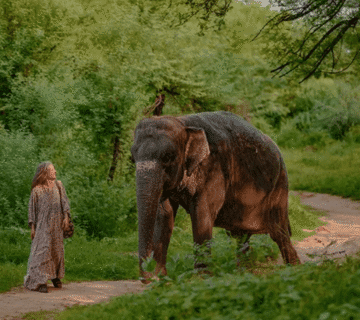
Planning an elephant experience in India? You’ll see a maze of offers: elephant rides, “sanctuaries,” “elephant parks,” and wildlife safaris. Each promises memories, but they’re not all equal—especially for elephant welfare. This guide breaks down the differences, the ethics, and what to expect so you can choose an experience that’s unforgettable and responsible. ... Read More
Forest Elephants of India: Their Role, Threats & How Sanctuaries Like Hathi Gaon Help

Forest Elephants of India: Their Role, Threats & How Sanctuaries Like Hathi Gaon Help

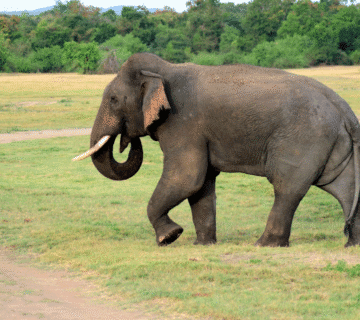
When readers hear “forest elephant,” they often think of African forest elephants (Loxodonta cyclotis)—a species distinct from the African savannah elephant. India, however, is home to Asian elephants (Elephas maximus), specifically the Indian subspecies (Elephas maximus indicus). So what do we mean by “forest elephants of India”? We’re referring to forest-dwelling Asian elephants—the same Indian elephant, but populations that live mainly in tropical and subtropical forests (evergreen, semi-evergreen, moist/dry deciduous), grasslands, and mosaic habitats that include forest edges, riparian belts, and plantations. In short: not a separate species, but the habitat-using populations of India’s Asian elephant. ... Read More
Season-by-Season Jaipur & Elephant Safari Guide: When to Visit Hathi Gaon for the Best Elephant Experiences

Season-by-Season Jaipur & Elephant Safari Guide: When to Visit Hathi Gaon for the Best Elephant Experiences

Jaipur, the “Pink City,” hosts Rajasthan’s famed elephant community clustered around Amer (Amber) Fort and nearby Hathi Gaon (Elephant Village). While elephant rides have long been marketed in the region, there’s rising awareness and campaigning for welfare-centric tourism, urging visitors to observe and support elephants without riding. You’ll find a mix of viewpoints, from advocacy groups calling for an end to rides to local operators and mahout families whose livelihoods historically depended on them. ... Read More