From Hardship to Hope: A Rescue Story That Changed Lives – Inspired by Hathigaon, Jaipur

From Hardship to Hope: A Rescue Story That Changed Lives – Inspired by Hathigaon, Jaipur

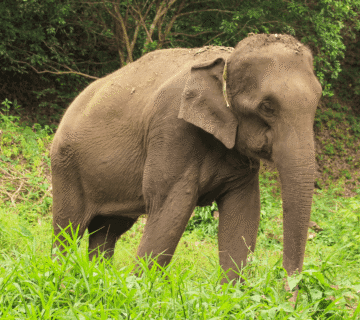
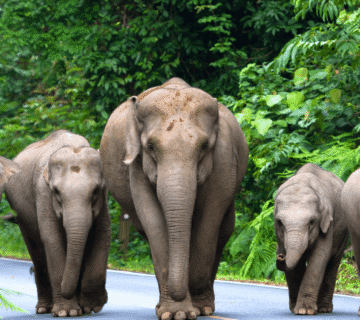
Nestled on the outskirts of Jaipur, Hathigaon—known as the “Elephant Village”—is a sanctuary where stories of pain, struggle, compassion, and transformation unfold every day. Created as a rehabilitation zone for elephants who once endured difficult lives of labor and exploitation, Hathigaon stands today as a symbol of harmony between humans, animals, and nature. Beyond its scenic beauty and architectural brilliance lies something even more inspiring: remarkable stories of rescue and recovery. Stories where elephants who once suffered hardship now live with dignity, comfort, and hope. This is one such story—a journey from brokenness to healing that continues to inspire travelers, conservationists, and animal lovers from around the world. ... Read More
Monsoon Playbook: Heat, Flood & Drought Preparedness for Elephant Welfare in Rajasthan

Monsoon Playbook: Heat, Flood & Drought Preparedness for Elephant Welfare in Rajasthan

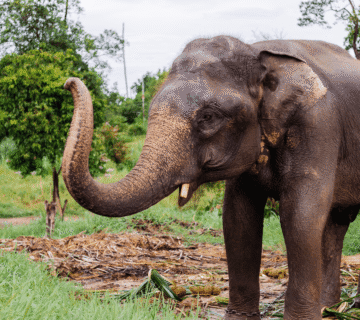
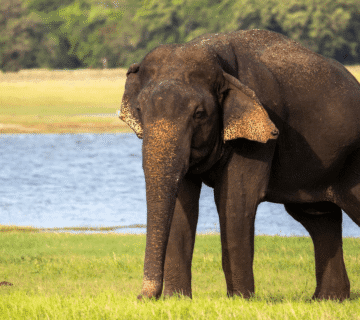
The monsoon season in Rajasthan brings with it a unique set of climatic challenges and opportunities—particularly for the welfare of elephants. In a landscape known for its arid heat, sudden downpours, and occasional drought spells, the welfare of captive and semi-captive elephants demands proactive and seasonally adapted protocols. At our facility in Rajasthan, we combine seasonal operations with climate-adaptation protocols to ensure our elephants thrive—not merely survive—through heat waves, monsoon flooding, and dry spells. Why is this so important? Elephants are large animals with high metabolic heat production; in a hot, semi-arid climate like Rajasthan, heat stress is a real threat. At the same time, waterlogged grounds from heavy rains, inadequate drainage, or flooded enclosures can lead to foot & hoof problems, accidents, skin issues and behavioural stress. Conversely, during drought or low-rain periods, water scarcity adds another layer of risk—limited bathing/wallowing opportunities, insufficient forage hydration, and increased competition for resources. By implementing a robust “Monsoon Playbook”, we ensure elephants enjoy high standards of welfare year-round and our visitors get the best, sustainable, ethical experience. ... Read More
Travel Tips for Ethical Elephant Tourism: Questions to Ask Before You Visit

Travel Tips for Ethical Elephant Tourism: Questions to Ask Before You Visit

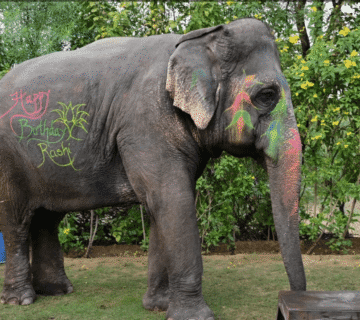
Elephants are among the world’s most intelligent, emotionally complex animals. Unfortunately, the rise of wildlife tourism created demand for close encounters—often at the cost of the elephants’ health and dignity. From chaining and harsh training methods to overwork, unnatural performances, and poor diets, many operations still prioritize photos and profits over welfare. The good news: you can choose better. Ethical elephant experiences do exist—places that retire working elephants, provide free-movement habitats, ban riding and tricks, follow science-based enrichment, and employ qualified veterinarians and mahouts trained in positive reinforcement. This guide gives you a step-by-step checklist, questions to ask before you book, red flags to avoid, and visitor behaviors that truly help rather than harm. ... Read More
Jaipur’s Heritage & Elephant Conservation: Linking Wildlife Protection with City Wall Restoration

Jaipur’s Heritage & Elephant Conservation: Linking Wildlife Protection with City Wall Restoration

Jaipur—the Pink City of India—is a UNESCO World Heritage site celebrated for its forts, palaces, and the iconic city wall that has protected it since the 18th century. But if you look closely, this wall is cracking, crumbling, and being eaten away by neglect, urban expansion, and time. Interestingly, a growing number of Jaipur-based conservation organizations are linking this heritage loss with wildlife awareness campaigns—particularly around forest elephants and ethical elephant tourism. Why? Because both represent a shared challenge of conservation, respect for living heritage, and long-term sustainability. ... Read More
Word from the Frontline: Insights from Hathi Gaon’s Mahouts and Veterinarians

Word from the Frontline: Insights from Hathi Gaon’s Mahouts and Veterinarians

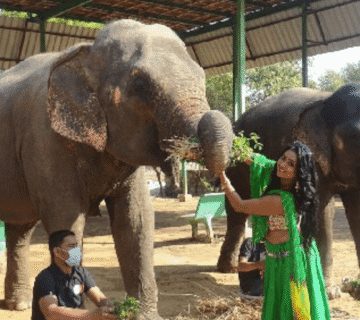
Just outside Jaipur’s Amber Fort, Hathi Gaon (“elephant village”) was purpose-built to house working elephants and their mahout families. Designed by RMA Architects, the project reclaimed a former sand quarry and created rain-harvesting water bodies and shaded living clusters—so elephants could bathe, drink, and rest while mahouts had nearby homes and shared courtyards. It was designed for roughly 100 elephants and their caretakers, with water as the keystone of the layout. ... Read More