Season-by-Season Jaipur: When to Visit Hathi Gaon for the Best (and Most Ethical) Wildlife Interaction

Season-by-Season Jaipur: When to Visit Hathi Gaon for the Best (and Most Ethical) Wildlife Interaction

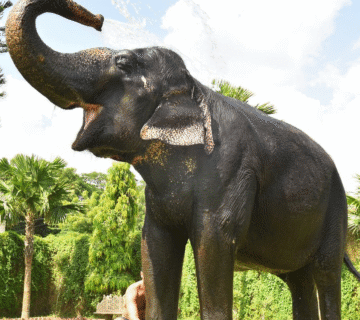
Set near Amer/Amber on NH-248, Hathi Gaon (Elephant Village) is a government-created settlement that houses elephants and their mahouts (handlers) close to Jaipur’s heritage zone. It covers ~30.5 hectares and shifted under the Forest Department in 2017, signposting its welfare orientation. In Jaipur, weather swings are sharp: scorching late spring/summer, humid monsoon, and pleasantly cool winters. These swings influence: • Elephant comfort and behavior (heat load, hydration, bathing frequency, shade seeking). • Your experience (visibility, dust, glare, rain interruptions). • Visitor flow (crowd levels, pricing, and guide availability). Authoritative climate references show Jaipur’s hottest months are April–June (max frequently 37–41 °C; can spike higher), monsoon peaks July–September, and coolest months December–January. Research on Asian elephants underscores their heat sensitivity—they seek shade, bathe, and flap ears to dissipate heat—and that thermal stress affects welfare and activity patterns. ... Read More
Photography Ethics at Hathi Gaon: Capturing Moments Without Disturbance

Photography Ethics at Hathi Gaon: Capturing Moments Without Disturbance

Hathi Gaon—on the outskirts of Jaipur—draws photographers for its warm light, desert hues, and the lived rhythm of elephant–mahout life. But the same elements that make it visually compelling also demand care: elephants are sentient individuals, mahouts are working professionals, and the village is a real community—not a film set. This guide distills low-impact, ethical fieldcraft so you can create meaningful images without crossing lines. You’ll find practical steps (permits, shot planning, camera setups), welfare-first principles (distance, stress cues, activity timing), people-first practices (consent, compensation, credits), and publishing ethics (context, captions, no-misrepresentation). Whether you shoot mobile, mirrorless, or medium format, the rules of respect are the same: take nothing but photos, leave nothing but goodwill. ... Read More
Elephant Rescue Stories: From Abuse to Care at Hathi Gaon & Beyond

Elephant Rescue Stories: From Abuse to Care at Hathi Gaon & Beyond

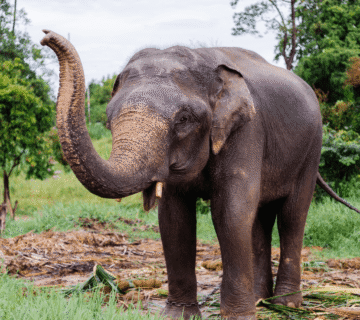
Hathi Gaon (literally “Elephant Village”) was created to house around 100 elephants and their mahout families near Amber Fort. Designed by RMA Architects, it’s a clustered settlement with courtyards and rain-harvesting water bodies. Think of it as a residential community and service hub for working elephants—not a rescue center. In parallel, elephant rides to Amber Fort and some “tourist activities” in/around Hathi Gaon have drawn sustained criticism from animal-welfare groups, with periodic government and court actions (including removing medically unfit elephants from rides and policy wrangles over pricing and operations). The bottom line: welfare standards and legality are evolving, and travelers should choose no-ride options ... Read More
Hathi Gaon- Magical Expereince

Elephants in India: Myths, Culture & Conservation in Rajasthan

A deep-dive into the sacred symbolism of elephants in Indian mythology (Ganesha, Airāvata), their role in festivals and folklore, and how modern conservation and ethical tourism in Rajasthan—especially around Jaipur—are reshaping traditions to protect elephant welfare. Includes responsible-travel tips, FAQs, and a clear call-to-action to book verified, ethical experiences. In India, elephants aren’t just animals—they’re living heritage. They stride through scriptures, temple art, and everyday rituals as symbols of wisdom, strength, and good fortune. Rajasthan, India’s most storied royal state, has long showcased elephants in pageantry and tourism. Today, the conversation is changing: travellers want authentic culture that’s also kind to animals. This guide gives you both—context and practical ways to experience elephants in Rajasthan without compromising welfare ... Read More
Jaipur’s Hill Forts & Elephant Sanctuary: Blending Heritage, Asian Elephants & Ethical Wildlife Tourism in India

Jaipur’s Hill Forts & Elephant Sanctuary: Blending Heritage, Asian Elephants & Ethical Wildlife Tourism in India

Jaipur isn’t just a pink-painted city of palaces—it’s a living canvas where Rajput hill forts gaze across the Aravallis and age-old routes still hum with stories. Today, those stories are intertwined with a new chapter: ethical, conservation-minded experiences with Asian elephants near Amer (Amber) Fort—especially around Hathi Gaon (Elephant Village) and carefully vetted sanctuaries. This long-form guide explores the forts’ history and architecture, what “ethical” tourism with elephants should look like, how to visit responsibly, and how your choices can support better welfare and habitat protection. Quick note on terminology: India’s elephants are Asian elephants (Elephas maximus)—not to be confused with “African forest elephants.” In Jaipur you’ll meet captive, human-dependent elephants who live with mahout families; their natural cousins thrive in India’s wild forests and corridors across states like Karnataka, Kerala, Assam, and Odisha. ... Read More