Season-by-Season Jaipur: When to Visit Hathi Gaon for the Best (and Most Ethical) Wildlife Interaction

Season-by-Season Jaipur: When to Visit Hathi Gaon for the Best (and Most Ethical) Wildlife Interaction

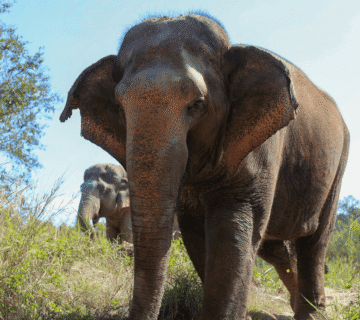
Set near Amer/Amber on NH-248, Hathi Gaon (Elephant Village) is a government-created settlement that houses elephants and their mahouts (handlers) close to Jaipur’s heritage zone. It covers ~30.5 hectares and shifted under the Forest Department in 2017, signposting its welfare orientation. In Jaipur, weather swings are sharp: scorching late spring/summer, humid monsoon, and pleasantly cool winters. These swings influence: • Elephant comfort and behavior (heat load, hydration, bathing frequency, shade seeking). • Your experience (visibility, dust, glare, rain interruptions). • Visitor flow (crowd levels, pricing, and guide availability). Authoritative climate references show Jaipur’s hottest months are April–June (max frequently 37–41 °C; can spike higher), monsoon peaks July–September, and coolest months December–January. Research on Asian elephants underscores their heat sensitivity—they seek shade, bathe, and flap ears to dissipate heat—and that thermal stress affects welfare and activity patterns. ... Read More
Elephant Natural Habitat Restoration in India: Case Studies Beyond Jaipur

Elephant Natural Habitat Restoration in India: Case Studies Beyond Jaipur

India’s Asian elephant (Elephas maximus) needs more than just “forests.” It depends on a living mosaic—moist and dry forests, riverine belts, and open grasslands—stitched together by wildlife corridors that let herds move seasonally for food and water. Restoration is therefore not just planting trees; it’s reconnecting broken landscapes, managing grasslands, removing invasive weeds, making roads and railways permeable, and working with communities on coexistence. The country now has 33 notified Elephant Reserves across 14 states, a backbone that guides landscape-level planning and restoration. ... Read More
Elephant Sanctuary vs Safari vs Park: Choosing the Right Experience in India

Elephant Sanctuary vs Safari vs Park: Choosing the Right Experience in India

Planning an elephant experience in India? You’ll see a maze of offers: elephant rides, “sanctuaries,” “elephant parks,” and wildlife safaris. Each promises memories, but they’re not all equal—especially for elephant welfare. This guide breaks down the differences, the ethics, and what to expect so you can choose an experience that’s unforgettable and responsible. ... Read More
Forest Elephants of India: Their Role, Threats & How Sanctuaries Like Hathi Gaon Help

Forest Elephants of India: Their Role, Threats & How Sanctuaries Like Hathi Gaon Help

When readers hear “forest elephant,” they often think of African forest elephants (Loxodonta cyclotis)—a species distinct from the African savannah elephant. India, however, is home to Asian elephants (Elephas maximus), specifically the Indian subspecies (Elephas maximus indicus). So what do we mean by “forest elephants of India”? We’re referring to forest-dwelling Asian elephants—the same Indian elephant, but populations that live mainly in tropical and subtropical forests (evergreen, semi-evergreen, moist/dry deciduous), grasslands, and mosaic habitats that include forest edges, riparian belts, and plantations. In short: not a separate species, but the habitat-using populations of India’s Asian elephant. ... Read More
What Happens to Ticket Money at Elephant Park & Elephant Village: Transparent Costs & Conservation Finance (India)

What Happens to Ticket Money at Elephant Park & Elephant Village: Transparent Costs & Conservation Finance (India)

If you’ve ever wondered, “Where does my ticket money go?”, this guide lays it out—line by line. Running an ethical elephant park or village in India is expensive, specialized, and (when done right) deeply impactful. Below you’ll find a clear breakdown of revenue, actual cost drivers for elephant care, how funds channel into rescue, rehabilitation, and forest conservation, and the standards you can use to evaluate whether a venue is truly ethical. We also include a simple template for monthly transparency reports and a gentle nudge to book directly (so more of your rupee funds the elephants, not middlemen). ... Read More
Elephant Enrichment in Jaipur: Puzzle Feeders, Scent Trails & Choosing Truly Ethical Experiences

Elephant Enrichment in Jaipur: Puzzle Feeders, Scent Trails & Choosing Truly Ethical Experiences

Elephants are engineers of their own joy when we let them be: investigating scents, foraging for hidden treats, splashing in water, and solving small challenges that keep their minds and bodies active. In and around Jaipur, India, a handful of conservation-forward facilities are moving beyond passive display toward evidence-based enrichment and welfare-first interaction. This long-form guide explains how quality sanctuaries support elephant well-being through daily enrichment (think puzzle feeders, scent trails, browse buffets, and positive reinforcement), what visitors should look for when booking an experience, and how you can contribute to ethical elephant tourism. We’ll also include an SEO-ready block (title, meta description, tags, schema), a detailed FAQ, and a soft call-to-action to book your visit responsibly through our platform. ... Read More